
Environmental Toxins and Infertility:
Understanding their Effects on Your Ferility
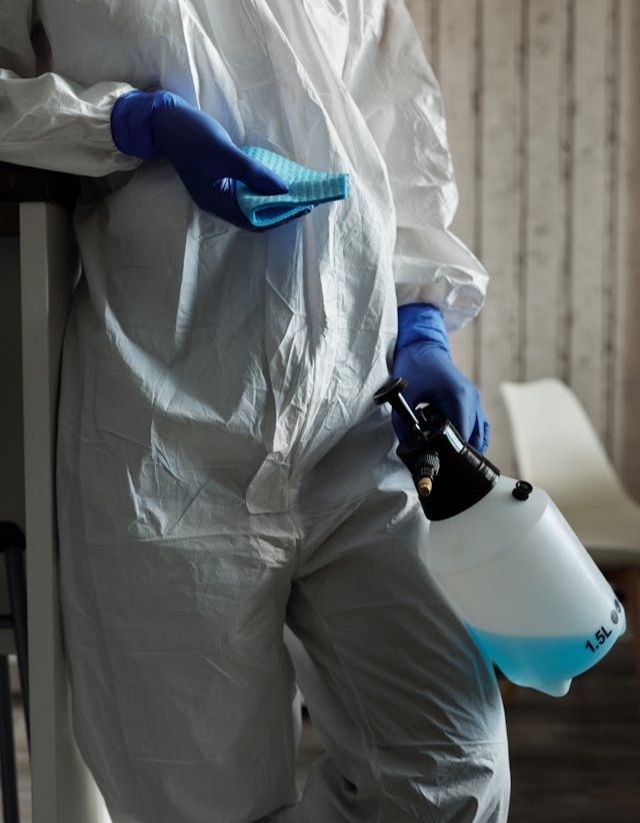
Infertility affects millions of couples worldwide, with rates rising in recent decades. While genetics, age, and lifestyle play roles, a growing body of scientific evidence points to environmental toxins as a major contributing factor. These invisible threats—found in our air, water, food, plastics, personal care products, and even electromagnetic fields—can disrupt hormones, damage reproductive cells, and impair fertility in both men and women.
Many toxins act as endocrine disruptors (interfering with estrogen, testosterone, and other hormones) or cause oxidative stress (leading to cellular damage from free radicals). Effects often appear after chronic low-level exposure, and mixtures of toxins can amplify harm. Critical windows include preconception, pregnancy, and early development.
Below is a clear overview of key toxins, how they enter the body, and their links to male and female infertility, based on PubMed studies and reviews:
1. Mold and Mycotoxins (Fungal Toxins)
7.
Mold in damp homes or contaminated food produces mycotoxins like zearalenone (estrogen-mimicking) and ochratoxin A (OTA), aflatoxins, and others.
- Male effects: Reduced sperm motility, abnormal morphology, DNA damage, lower viability, and impaired spermatogenesis. OTA detected at higher levels in infertile men.
- Female effects: Disrupted follicle development, hormonal imbalances, precocious puberty, and increased risk of reproductive disorders.
2. Plastics, Microplastics, BPA, and Pthalates
Plastics release additives that leach into food, water, and air—especially when heated or degraded. Bisphenol A (BPA), bisphenols, phthalates, and micro/nanoplastics (MNPs) are common culprits.
- Male effects: Reduced sperm count, motility, concentration, and quality; abnormal morphology; lower testosterone; testicular damage and oxidative stress. MNPs accumulate in testes.
- Female effects: Hormonal disruption, reduced ovarian reserve, PCOS, endometriosis, fibroids, impaired implantation, and lower fertility/ART success. Chronic exposure linked to miscarriages.
- How they enter: Ingestion (food packaging, bottled water), inhalation (dust), skin absorption (cosmetics, textiles), and leaching from everyday plastics.
3. Pesticides
Pesticides (organophosphates, organochlorines, pyrethroids, etc.) are widely used in agriculture and homes.
- Male effects: Sperm abnormalities, reduced count/motility, testicular atrophy, poor capacitation, and DNA damage. Occupational exposure (farmers, greenhouse workers) strongly linked to longer time-to-pregnancy and poorer semen quality.
- Female effects: Ovarian dysfunction, hormonal imbalance, increased miscarriage risk, and birth defects. High-residue produce intake associated with worse IVF/IUI outcomes.
4. Electromagnetic Fields (EMFs) and Radiofrequency (RF-EMF) from cell phones, WiFi, Power Lines and Devices
EMFs are everywhere, and while they can't be seen, studies show they have significant reproductive harm especially in men.
- Male effects: Reduced sperm motility, viability, count; increased oxidative stress (ROS) and DNA damage in sperm. Phone-in-pocket exposure shows dose-dependent harm.
- Female effects: Potential disruption of ovarian function, and hormonal
- Non-ionizing radiation exposure through proximity and use of devices; the closer the device, the higher the exposure.
5. Heavy Metals
Heavy metals, such as lead, cadmium, mercury, chromium, are commonly found in water sources, food (especially seafood), air pollution, cosmetics (red lipstick!) and occupational settings.
- Male effects: Impaired sperm production, reduced sperm quality/motility/count/morphology, lower testosterone, and testicular damage via oxidative stress and hormone disruption.
- Female effects: Disrupted follicle (egg) maturation, ovarian dysfunction, hormonal imbalance, increased miscarriage risk, and conditions like PCOS or endometriosis.
- How they enter: Ingestion (contaminated water/food), inhalation (air pollution/dust), and skin absorption (certain products). Mixtures worsen effects.
Arsenic and cadmium show particularly strong links; blood/urine levels correlate with higher infertility odds.
6. Air Pollution
Air Pollution from PM2.5 particulates, traffic emissions, VOCs, and persistent organics.
- Male effects: Reduced sperm concentration/motility and higher infertility diagnosis risk.
- Female effects: Diminished ovarian reserve, lower IVF success, increased miscarriage, lower implantation rates.
Overall Summary: Why This Matters and What You Can Do
Environmental toxins likely contribute to increasing infertility rates. Many act through shared mechanisms like hormone disruption and oxidative stress, with effects often stronger from chronic, combined, or occupational exposures.Practical Steps to Lower Risk
- Use glass/steel instead of plastic for water and food storage; avoid heating plastics. Minimize plastic water bottles, buying food packaged in plastic, zip-lock backs, plastic utensils, plastic dinnerware, etc.
- Choose organic produce when possible; wash thoroughly.
- Improve indoor air quality (ventilation, mold remediation, high quality air purifiers).
- Limit EMF exposure (keep phones away from body, use speakerphone).
- Filter drinking water with reverse osmosis or similar high quality filter.
- Choose utilize product analyzing apps to evaluate for toxins in cosmetics.
- Support policies for cleaner air, water, and reduced chemical use.
If struggling with infertility, come discuss environmental exposures with your us—testing for heavy metals, mycotoxins, or hormone panels may help. Personalized detox support or lifestyle changes can make a difference.
FAQ: Environmental Toxins and Infertility
1. What are environmental toxins, and how do they contribute to infertility?
Environmental toxins are harmful chemicals, metals, pollutants, and physical factors (like EMFs) found in air, water, food, plastics, personal care products, and our surroundings. Many act as endocrine-disrupting chemicals (EDCs) that mimic, block, or interfere with hormones such as estrogen and testosterone. Others cause oxidative stress, damaging sperm, eggs, and reproductive tissues. Over time, they can lead to reduced sperm quality, hormonal imbalances, impaired egg development, longer time to pregnancy, lower IVF success rates, and higher miscarriage risk in both men and women.
2. Which toxins are most strongly linked to infertility in men and women?
Key toxins include:
- Mold and mycotoxins (e.g., zearalenone, ochratoxin A)
- Plastics and leaching chemicals (BPA, phthalates, microplastics)
- Pesticides (organophosphates, organochlorines, etc.)
- Electromagnetic fields (EMFs/RF-EMF) from phones, WiFi, and devices
- Heavy metals (lead, cadmium, mercury, arsenic, chromium)
- Contaminants in water, food, and air pollution
- Volatile compounds inhaled through breathing
- Chemicals absorbed through skin from cosmetics or textiles
3. How does mold exposure affect fertility?
Mold produces mycotoxins that act like estrogen or cause inflammation and oxidative stress. In men, they can reduce sperm motility, count, and quality. In women, they may disrupt hormone levels, impair egg development, and contribute to secondary infertility or implantation issues. Breathing mold spores or eating contaminated food increases risk; testing both partners is often advised if mold is suspected in the home.
4. Do plastics, BPA, and phthalates really impact fertility?
Yes. BPA and phthalates leach from plastic bottles, food containers, receipts, and cosmetics. They disrupt hormone signaling, leading to:
- In men: lower sperm count, poor motility, abnormal shape, and testicular damage.
- In women: reduced ovarian reserve, PCOS-like symptoms, endometriosis, irregular cycles, and poorer embryo quality. Microplastics can carry these chemicals deeper into the body. Heating plastics or using them for hot food/drinks increases leaching.
5. How do pesticides affect male and female fertility?
Pesticides are common in non-organic food, water, and agricultural work. They can damage sperm DNA, reduce count and motility in men, and cause ovarian dysfunction, hormonal imbalance, and higher miscarriage risk in women.
6. Can EMFs from phones and WiFi cause infertility?
Evidence suggests yes, particularly for men. RF-EMF exposure is linked to increased oxidative stress in sperm, reducing motility, viability, and count. In women, it may affect ovarian function and early embryo development. Keeping phones away from the body (especially in pockets), using speakerphone, and limiting WiFi at night are simple precautions. Effects appear dose- and duration-dependent.
7. What role do heavy metals play in infertility?
Heavy metals like lead, mercury, cadmium, and arsenic accumulate from contaminated water, seafood, air pollution, and some cosmetics. They impair sperm production and quality in men and disrupt oocyte maturation and hormone balance in women. Even low-level chronic exposure raises infertility risk; mixtures of metals are especially problematic.
8. How do polluted water, food, and air contribute to infertility?
- Water: PFAS ("forever chemicals"), metals, and pesticides lower testosterone and sperm production in men and disrupt hormones in women.
- Food: Pesticide residues, packaging chemicals, and heavy metals in fish bioaccumulate and worsen gamete quality.
- Air: PM2.5 and traffic pollution reduce sperm concentration and ovarian reserve while increasing miscarriage risk. Inhaling these pollutants causes systemic oxidative stress.
9. Can toxins absorbed through the skin or breathed in affect fertility?
Absolutely. Many chemicals penetrate the skin from lotions, cosmetics, clothing (e.g., polyester), or cleaning products. Inhaled volatiles from mold, plastics, pesticides, or air pollution add to the body's total toxic load. Even small daily exposures contribute to cumulative damage over months or years.
10. How can I reduce my exposure to these toxins?Practical steps include:
- Switch to glass or stainless steel for food and drinks; avoid heating plastics.
- Choose organic produce when possible and wash all fruits/vegetables thoroughly.
- Use a high-quality water filter certified for PFAS, metals, and pesticides.
- Improve indoor air with ventilation, HEPA filters, and mold remediation.
- Keep phones and WiFi routers at a distance; use airplane mode at night.
- Select natural, fragrance-free personal care and cleaning products.
- Test your home for mold or water quality if concerned.
- Support policies for cleaner air, water, and reduced chemical use.
12. Can the effects of these toxins be reversed?
Many effects are reversible or improvable with reduced exposure. Sperm quality can recover in 2–3 months; ovarian function and hormone balance may improve over time. Antioxidant-rich diets, lifestyle changes, and medical support can help the body detox and repair. Early action gives the best results.