
Why Patients Fail IVF:
Root-Cause Naturopathic Insights for Recurrent Implantation Failure in Overland Park & Kansas City
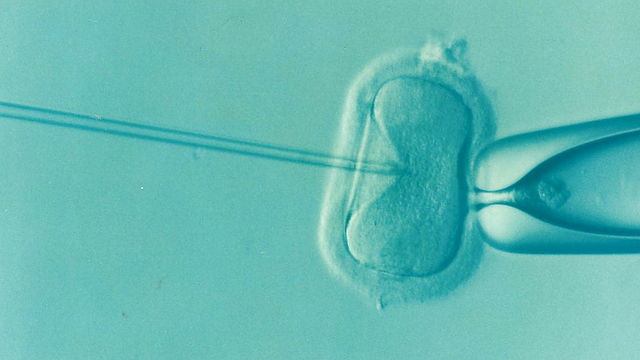
If you’ve gone through one or more IVF cycles only to hear “the embryos looked great, but it didn’t implant,” you’re not alone — and you’re not broken. Recurrent implantation failure (RIF) affects many patients, yet standard IVF protocols often focus narrowly on egg retrieval, embryo grading, and transfer timing while missing the systemic environment that determines whether a perfectly formed embryo can actually implant and thrive.
At KC Integrative Health in Overland Park, we take a different approach. We ask why the uterine environment isn’t receptive, why inflammation or oxidative damage persists, and why the body’s stress, hormone, and immune systems are out of balance. Implantation is not just about the embryo — it’s a sophisticated dialogue between embryo and endometrium that requires optimal cellular energy, balanced immunity, and a calm inflammatory state.
The Conventional View vs. The Naturopathic Lens
Conventional fertility care excels at creating embryos, but many failures stem from issues that labs and embryologists can’t easily see:
- Suboptimal endometrial receptivity
- Chronic low-grade inflammation and oxidative stress
- Disrupted adrenal–thyroid–gut axis
- Microbiome imbalances in the gut and reproductive tract
Research shows that up to two-thirds of implantation failures may relate to endometrial factors rather than purely embryonic ones. Even euploid (chromosomally normal) embryos fail when the uterine environment isn’t welcoming.
Hidden Driver #1: Oxidative Stress & Mitochondrial Dysfunction
Oxidative stress — an imbalance between reactive oxygen species (ROS) and the body’s antioxidant defenses — damages oocytes, sperm DNA, and endometrial cells. It disrupts cell division, triggers apoptosis in granulosa cells, and impairs endometrial receptivity by altering prostaglandin balance and promoting menses signals.
In IVF patients, elevated oxidative stress markers in follicular fluid and endometrial secretions correlate with poorer embryo quality and lower implantation rates. Naturopathically, we address this by identifying sources of oxidative burden (chronic stress, poor diet, toxins, gut inflammation) and rebuilding antioxidant capacity with targeted nutrients and mitochondrial support — helping create a calmer cellular environment for implantation.
Hidden Driver #2: Chronic Inflammation & Endometrial Receptivity Issues
Successful implantation requires a precisely timed “window of implantation” (WOI) with a balanced immune shift toward tolerance (Th2/Treg dominance). Chronic endometritis, even subclinical, shifts the endometrium toward a pro-inflammatory Th1/Th17 state, reducing expression of key receptivity markers.
Studies link non-Lactobacillus-dominated endometrial microbiomes to significantly lower implantation, pregnancy, and live birth rates. Dysbiosis promotes local oxidative stress and disrupts the delicate inflammatory signaling needed for embryo attachment.
We investigate and gently correct these patterns through comprehensive testing (including advanced microbiome assessment when indicated) and anti-inflammatory, gut-healing protocols rather than broad immunosuppression.
Hidden Driver #3: Adrenal Fatigue, Thyroid Imbalance & HPA Axis Disruption
Chronic stress and adrenal dysregulation disrupt the natural cortisol rhythm, which in turn affects thyroid function, ovarian reserve signaling, and uterine blood flow. Even “normal” TSH levels can mask suboptimal free T3, reverse T3 elevation, or thyroid autoimmunity that impairs endometrial thickness and receptivity.
Patients with adrenal fatigue often show fragmented sleep, afternoon energy crashes, and blood-sugar instability — all of which increase systemic inflammation and oxidative load, making the body less fertile-friendly. Supporting the HPA axis and optimizing thyroid at the cellular level helps restore the calm hormonal environment essential for implantation.
Hidden Driver #4: Gut Microbiome & Systemic Inflammation
The gut–reproductive axis is powerful. Gut dysbiosis influences estrogen metabolism, insulin sensitivity, and systemic cytokine levels that ultimately affect the endometrium. Emerging research links specific gut microbial patterns to IVF outcomes, with certain imbalances promoting inflammation that reaches the reproductive tract.
By healing intestinal permeability (“leaky gut”), reducing inflammatory triggers, and restoring microbiome diversity, we often see downstream improvements in hormonal balance and endometrial health — creating a more supportive foundation for IVF success or natural conception.
Our Naturopathic Approach to Improving IVF Outcomes
We don’t replace your reproductive endocrinologist — we complement their expertise with deep root-cause investigation:
- Comprehensive labs: advanced thyroid panel, adrenal/cortisol rhythm, oxidative stress markers, nutrient status, inflammatory cytokines, and gut/microbiome testing when appropriate
- Personalized anti-inflammatory nutrition (emphasizing Mediterranean-style eating rich in antioxidants and omega-3s)
- Targeted supplementation to support mitochondrial function, reduce oxidative stress, and balance immunity
- Stress resilience and sleep optimization protocols
- Gentle herbal and nutrient support for endometrial blood flow and receptivity
Many patients notice better energy, reduced bloating/inflammation, and improved cycle parameters even before their next transfer. We work alongside your IVF team to time supportive care optimally.
Ready to Explore Why Previous Cycles May Not Have Worked?
If you’ve experienced repeated IVF failure and want answers that go beyond “unexplained,” start with a complimentary 15-minute Health Consultation. Call 913-214-6536 or click the button below. We’ll honestly assess whether our root-cause naturopathic approach is the right next step for you — no obligation.
Schedule a 15-min Consultation